From the Files of the Dirt Diva Diaries
The Backyard Blueberry Shop
Everything you need to grow fat, happy blueberries — from soil prep to harvest day
Every product on this page has been evaluated through two lenses. Kevin Mansoor, CNP vets each pick against the specific and somewhat demanding requirements of blueberry culture — soil pH, drainage, nutrient availability, and the particular vulnerabilities of ericaceous plants. Blueberries are not forgiving of the wrong inputs, so this category gets extra scrutiny. Then Ivy Green applies the Dirt Diva filter — is it practical for a backyard grower, is it accessible, and is it actually worth adding to your routine? We may not have used every single item personally, but we’ve done the research so your blueberries don’t have to suffer for it. Three picks per category. No guesswork. That’s the Dirt Diva promise.
This page contains affiliate links, which means we may earn a small commission if you make a purchase — at no extra cost to you. We only recommend products that meet our evaluation criteria.
Jump to a category
Category
🫐 Soil Prep & Fertilizers
Kevin Mansoor, CNP
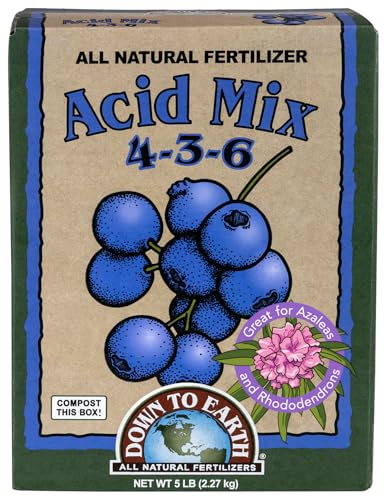
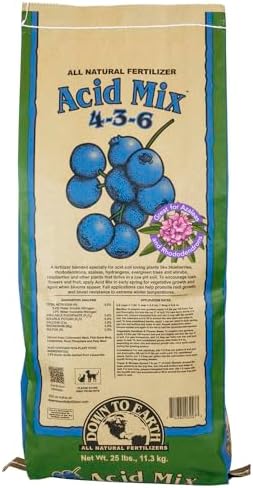
Blueberries are one of the most pH-sensitive crops a home grower will encounter. They need a soil pH between 4.5 and 5.5 — significantly more acidic than most garden soil — and they will struggle visibly and dramatically outside that range. Before anything goes in the ground, test your pH. Every product in this category has been evaluated for its effectiveness at acidifying soil, maintaining that target range long-term, and delivering the specific nutrient profile blueberries actually need, which is quite different from a general garden fertilizer. Ivy’s note: I just trust Kev completely on this one. Get the pH right first. Everything else is secondary.


Category
🌱 Planting Mediums
Kevin Mansoor, CNP
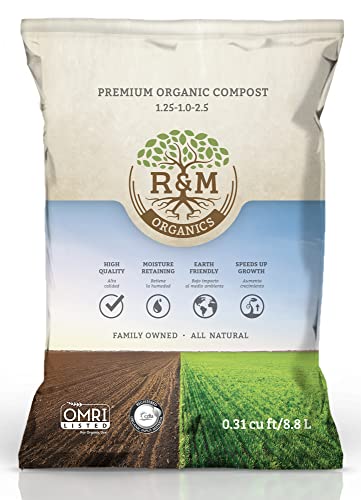
Blueberries have fine, shallow root systems that are highly sensitive to compaction and poor drainage. A planting medium for blueberries needs excellent aeration, consistent moisture retention without waterlogging, and an inherently acidic base. Peat moss, pine bark fines, and acidic potting mixes formulated for ericaceous plants are what I look for here. Standard garden soil or all-purpose potting mix is not appropriate and will cause long-term decline even if the plant looks fine initially. Ivy adds: this is the category where spending a little more upfront saves a lot of heartbreak later. Ask me how I know.



Category
🛡️ Tools & Protection
Ivy Green — Dirt Diva
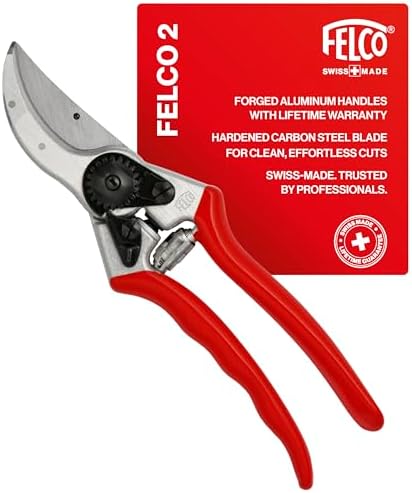
Here’s a fact nobody warns you about before you grow blueberries — the birds will find them before you do. Every single time. Bird netting is not optional if you want to actually eat the fruit you spent a season growing. Beyond that, blueberries need good pruning tools since proper annual pruning is what keeps your yields high year after year. Kevin’s criteria: bypass pruners with clean cutting action for cane removal, netting with mesh small enough to exclude birds without trapping them, and pH testing tools so you can monitor soil conditions through the season. Protection and maintenance in one category because both are non-negotiable.


Category
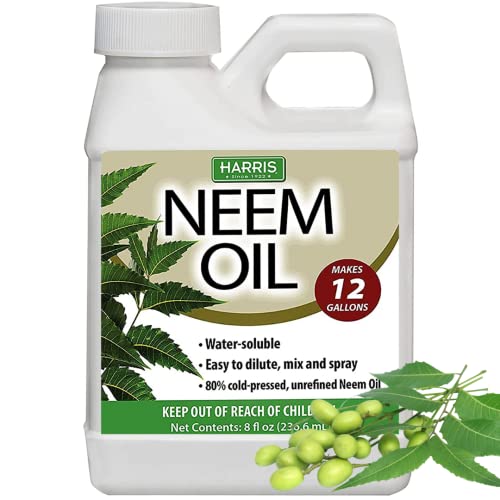
🔍 Pest & Disease Control
Kevin Mansoor, CNP
Blueberries are relatively tough once established but they do have specific vulnerabilities — mummy berry fungus, spotted wing drosophila, and root rot from poorly drained soil being the most common issues a backyard grower will encounter. I evaluate pest and disease products for targeted effectiveness, safety for use on edible crops, and minimal disruption to beneficial insects including the pollinators your blueberries depend on. Nothing goes on this list that I wouldn’t use myself on a food crop. Ivy’s take: Kevin is very serious about this category. Listen to Kevin.