From the Files of the Dirt Diva Diaries
The Container Gardener’s Shop
Everything you need to grow food in containers — from the mix in your pot to the tools in your hand
Every product on this page has been evaluated through two lenses. Kevin Mansoor, CNP reviews each pick for technical performance in a container environment — which is a different set of demands than in-ground gardening. Containers dry out faster, nutrients flush out with watering, and roots have nowhere to go if the mix compacts. The inputs have to work harder. Then Ivy Green applies the Dirt Diva filter — is it practical for a balcony, patio, or small-space grower, is it worth the shelf space, and does it actually make container gardening easier and more rewarding? We may not have personally used every item here, but we’ve done the vetting so your containers can thrive. Three picks per category. No fluff. That’s the Dirt Diva promise.
This page contains affiliate links, which means we may earn a small commission if you make a purchase — at no extra cost to you. We only recommend products that meet our evaluation criteria.
Jump to a category
Category
🪴 Soil Mix & Coir
Kevin Mansoor, CNP
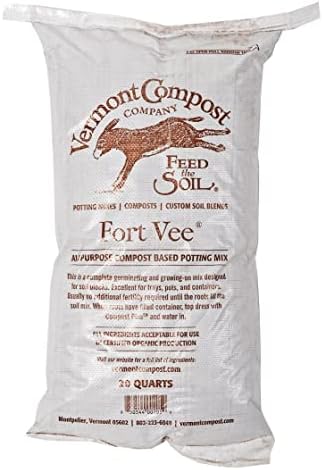
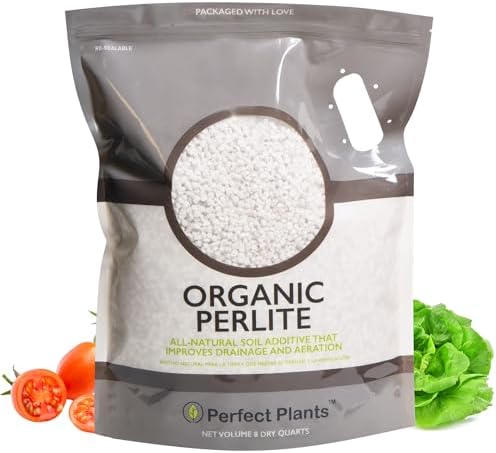
The mix you put in your container is the single most important decision you’ll make as a container gardener. Regular garden soil is a hard no — it compacts, drains poorly, and will suffocate your roots within a season. A quality container mix needs excellent drainage, strong water retention between waterings, and enough aeration to keep roots healthy as the plant grows. Coir — coconut fiber — has become one of my preferred amendments for container work because it holds moisture without compacting and is a sustainable alternative to peat. Ivy’s take: the right mix also means you’re not hauling a waterlogged 20-pound pot around your patio. Drainage matters for your back too.



Category
🌿 Basic Fertilizers & Boosters
Kevin Mansoor, CNP
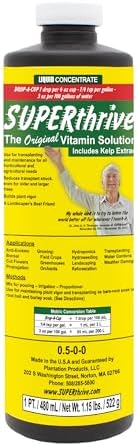
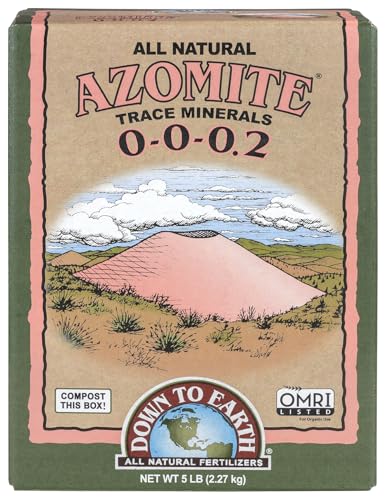
Container plants are entirely dependent on you for nutrition — every time you water, nutrients flush out through the drainage holes and don’t come back. That means a consistent feeding routine is not optional, it’s the difference between a productive container and a struggling one. I evaluate container fertilizers for water-soluble delivery, balanced NPK with micronutrients included, and whether they’re appropriate for edible crops. Liquid formulas and slow-release granules each have their place here. Ivy’s translation: feed your containers regularly and they will feed you back. Ignore them and they’ll look at you with sad little leaves and make you feel guilty. Both things are true.


Category
🪛 Hand Tools
Ivy Green — Dirt Diva
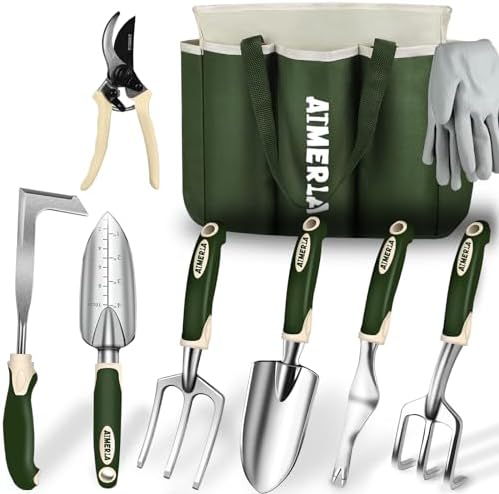
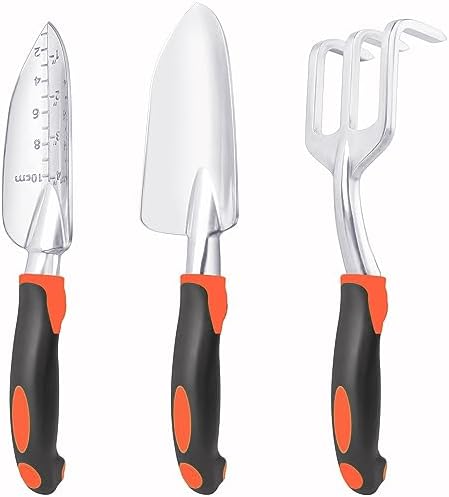
Container gardening is essentially all hand tool work — you’re rarely reaching for a full-size spade when your garden lives in pots on a balcony. A good trowel, a transplanting tool, and a pair of pruners that fit your hand are the core kit. Kevin’s criteria: stainless steel blades that can be sanitized between plants, comfortable grip length for working in confined container spaces, and solid construction that holds up to repeated use without loosening at the head. Ivy’s criteria: they need to actually fit in the tote bag I carry to my patio. Compact and capable wins every time.



Category
🔍 Pest & Disease Control
Kevin Mansoor, CNP
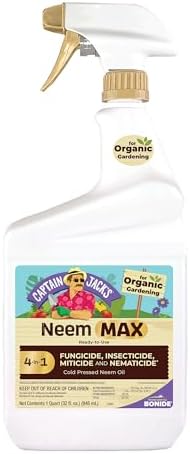
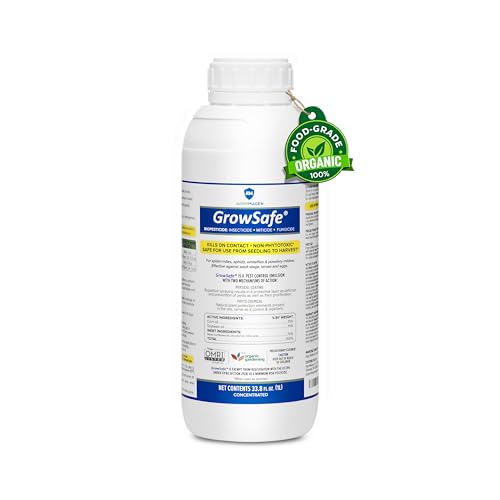
Container plants can actually be more vulnerable to certain pests than in-ground plants — the confined root zone, limited soil biology, and the stress of drying out quickly all lower the plant’s natural defenses. Fungus gnats, aphids, and powdery mildew are the most common issues container food growers encounter. Every product I recommend here has been evaluated for safety on edible crops, effectiveness against the most common container pests, and minimal impact on beneficial insects. Ivy adds: I also need things I can use on a balcony without alarming my neighbors. No nuclear options. Targeted and sensible only.


Category
🛡️ Plant Protection
Ivy Green — Dirt Diva
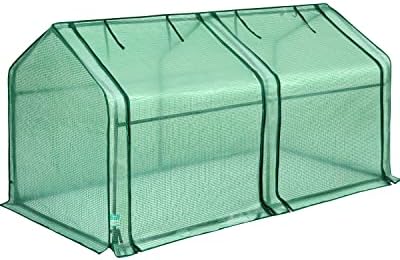
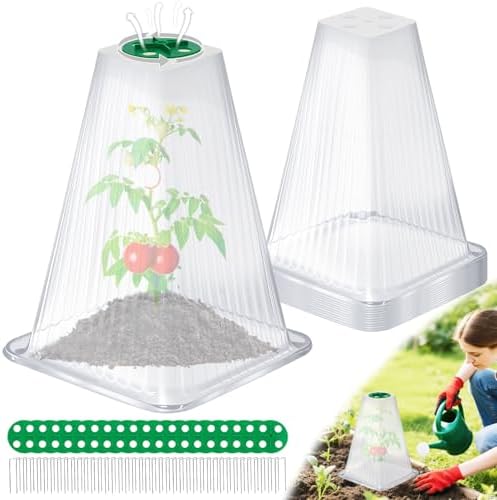
Container plants are exposed in ways in-ground plants simply aren’t — summer heat amplified by dark pots, sudden cold snaps that freeze root zones faster than garden beds, wind on elevated balconies, and the occasional curious squirrel who has decided your cherry tomatoes are their personal snack bar. Kevin’s criteria: adequate thermal protection for both heat and cold, UV-stable materials, and options that work in small-space settings without requiring a full garden setup. These picks cover the most common protection scenarios a container grower faces without overcomplicating your setup.